Language & Notation

Why we write and say things the way we do — spelling rules, units, numbers, and notation

Is English the Odd One Out? How Languages Name the Days Around Today

Is English the Odd One Out? How Languages Name the Days Around Today

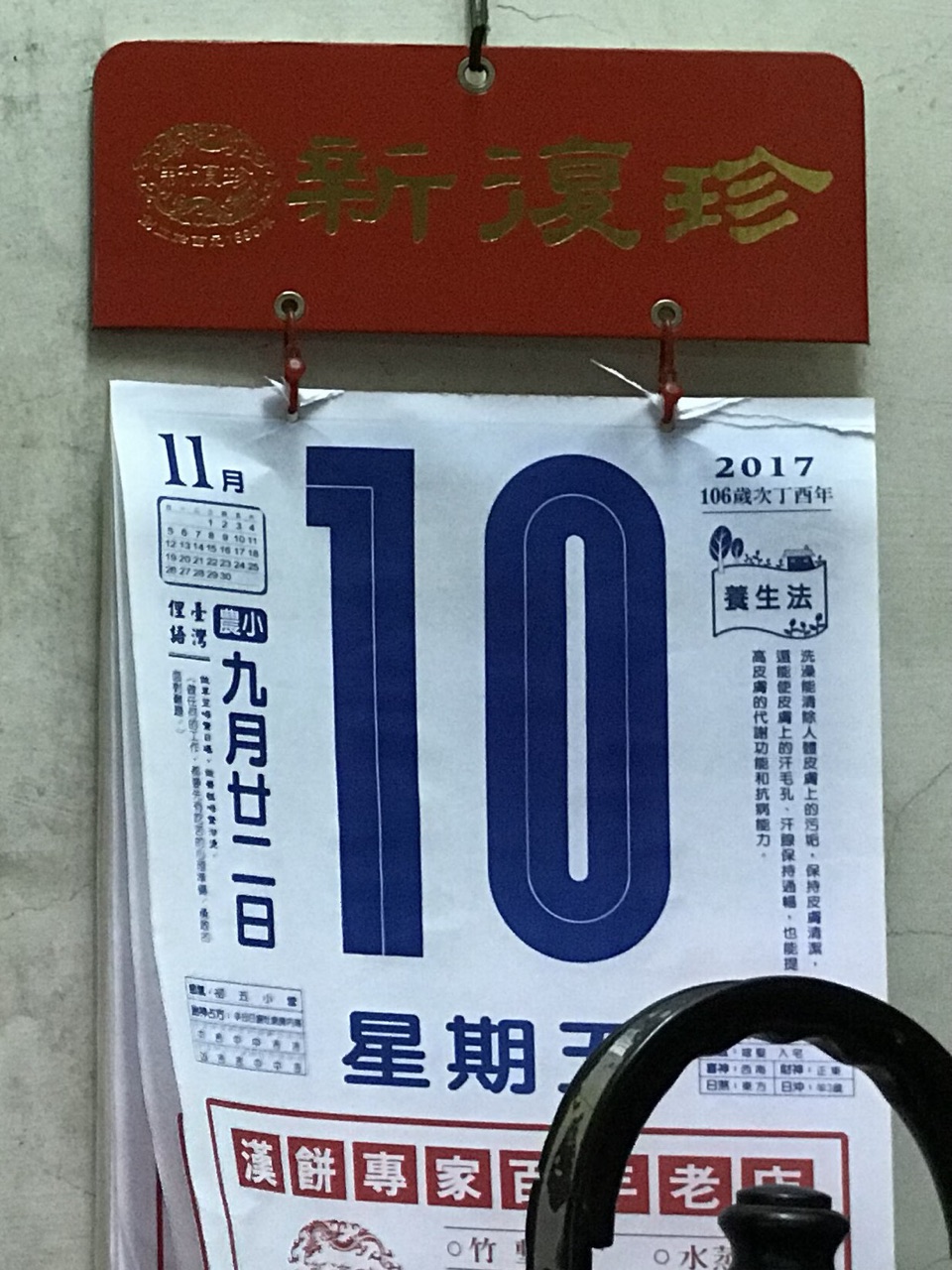
English stops at yesterday and tomorrow, then switches to phrases. German, Japanese and Korean keep going. Dictionaries and a typology study show how far each language's one-word names for days really reach, and whether a word means the same day to everyone.
Are Mandu, Gyoza, and Dim Sum the Same Thing? — Names That Don't Sit on the Same Level

Are Mandu, Gyoza, and Dim Sum the Same Thing? — Names That Don't Sit on the Same Level

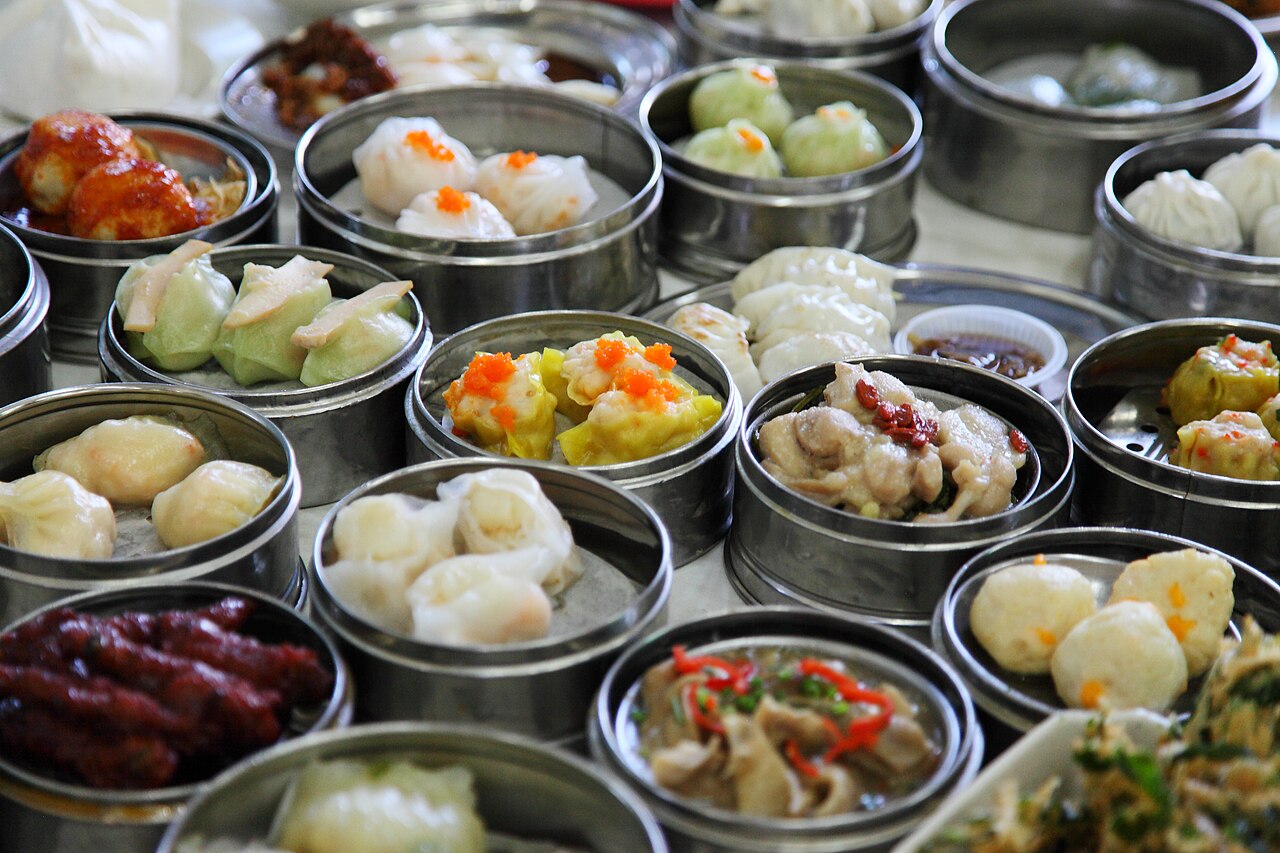
Line up mandu, gyoza, dim sum, and samosa and it feels natural to ask what separates them. But the names don't point at the same level to begin with — one is a whole style of eating, another a specific item, and the same written character can mean different foods depending on the country. We check what each of these words actually refers to.

Converting Old Money to Today: Why There's No Single Answer

Converting Old Money to Today: Why There's No Single Answer

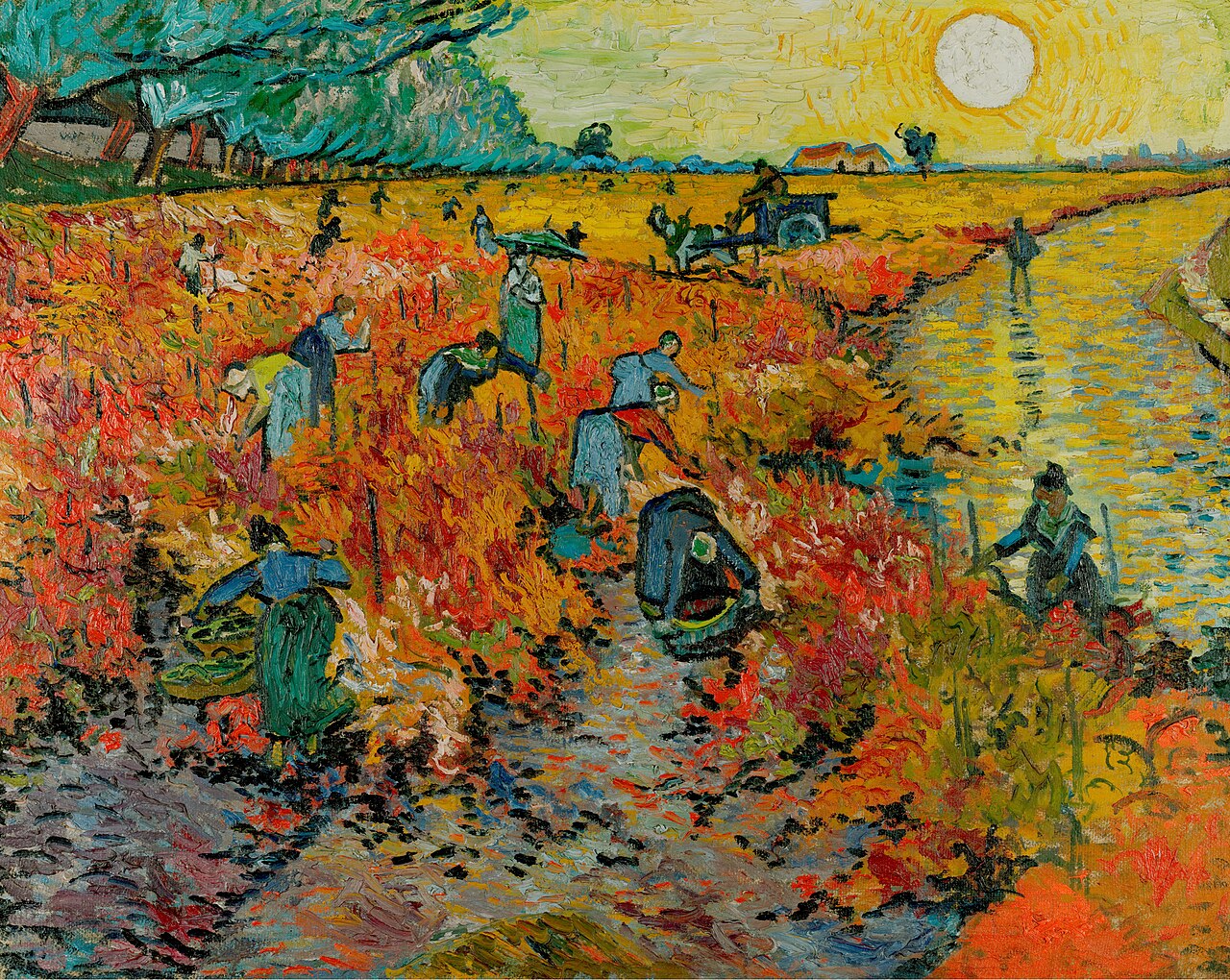
If a painting sold for 400 francs in 1890, how much is that in today's money? It seems like there should be a single number—but economic historians use at least four different measures: real price (CPI), labor value (wages), income value (GDP per capita), and economic share (share of GDP). Pick a different measure, and the answer shifts by 54-fold or more—162-fold for a national-scale deal like the Alaska Purchase.