Turns Out

Everyday assumptions, fact-checked.

When ACC slows your car, do your brake lights actually come on? Does the elevator 'close' button really do anything? Turns Out takes the things you vaguely assume about daily life and checks them against the primary sources — regulations, standards, and research — to pin down what's actually true.

Explore by Category

Latest posts

Is a Tomato a Fruit or a Vegetable? Why Even Governments Can't Agree

Is a Tomato a Fruit or a Vegetable? Why Even Governments Can't Agree

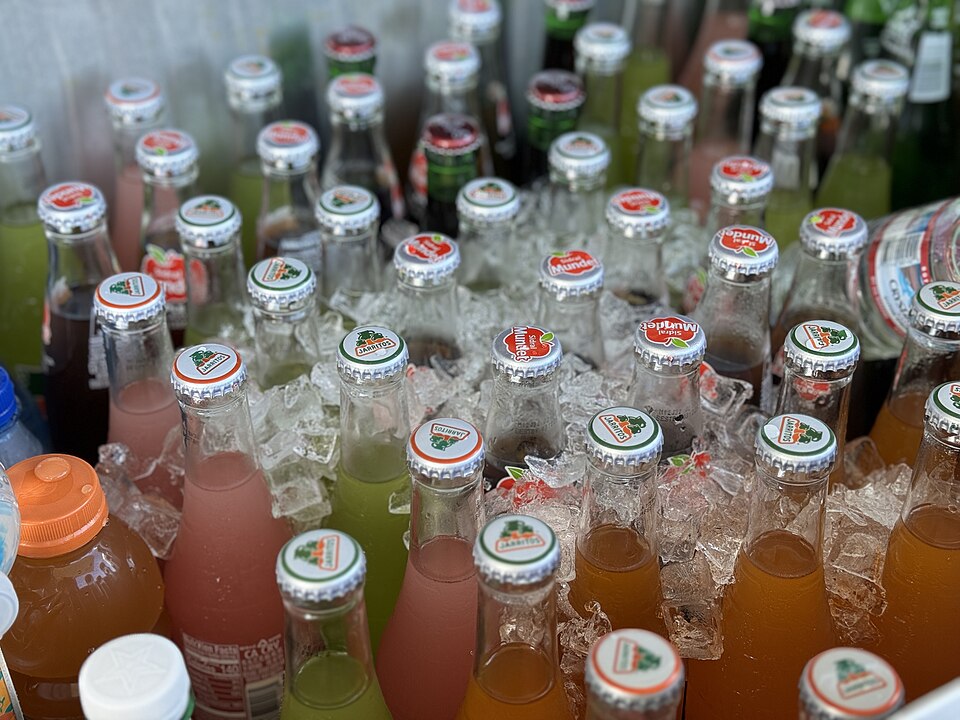
The tomato debate is old news — the U.S. Supreme Court settled it in 1893 by ruling it's botanically a fruit but legally a vegetable. Strawberries and watermelon raise a stranger question: can one government's own rules disagree with each other about what counts as fruit?

Why Does Water Expand When It Freezes? And What Happens Under Pressure

Why Does Water Expand When It Freezes? And What Happens Under Pressure

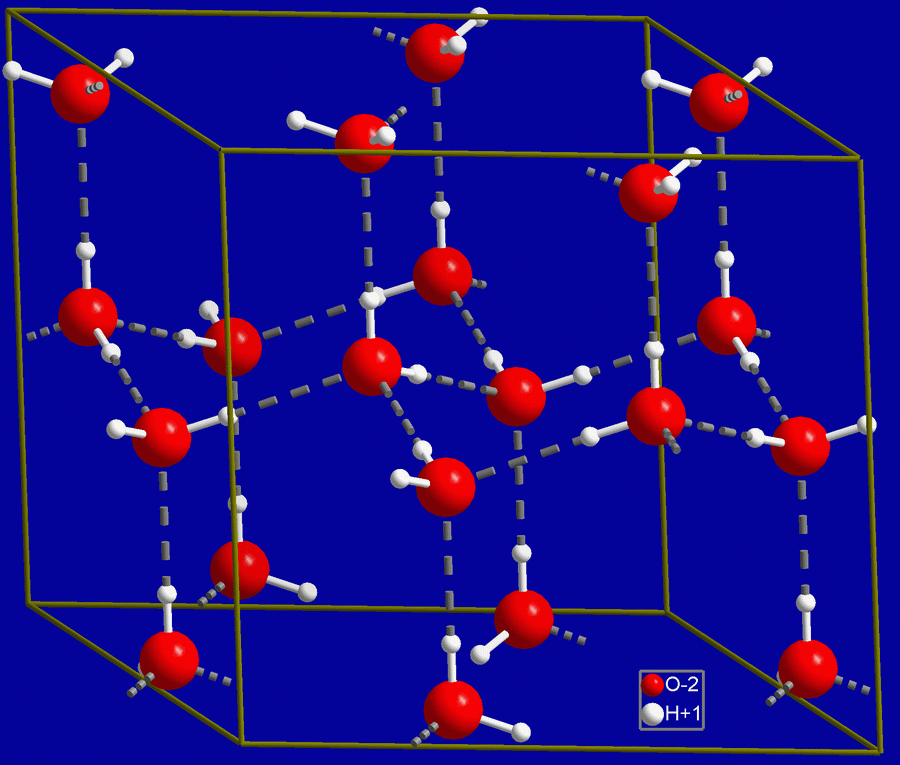
A bottle bursts in the freezer because water expands when it freezes — but is water really the only substance that does this, and could enough pressure stop it? We trace the mechanism through hydrogen bonding and ice's hexagonal crystal structure, then check what the physics actually says about both questions.

Converting Old Money to Today: Why There's No Single Answer

Converting Old Money to Today: Why There's No Single Answer

If a painting sold for 400 francs in 1890, how much is that in today's money? It seems like there should be a single number—but economic historians use at least four different measures: real price (CPI), labor value (wages), income value (GDP per capita), and economic share (share of GDP). Pick a different measure, and the answer shifts by 54-fold or more—162-fold for a national-scale deal like the Alaska Purchase.

How Do Airplanes Generate Lift? The Real Physics (and Myths) Behind Flight

How Do Airplanes Generate Lift? The Real Physics (and Myths) Behind Flight

You may have learned that lift comes from the different path lengths above and below a wing — the equal transit time theory. NASA says that's wrong. So what really generates lift? We verify the actual physics against the Kutta-Joukowski theorem, circulatory flow, and the relationship between Bernoulli and Newton's third law.

Air Conditioners Don't Make Cold—They Move Heat: How the Vapor-Compression Cycle Really Works

Air Conditioners Don't Make Cold—They Move Heat: How the Vapor-Compression Cycle Really Works

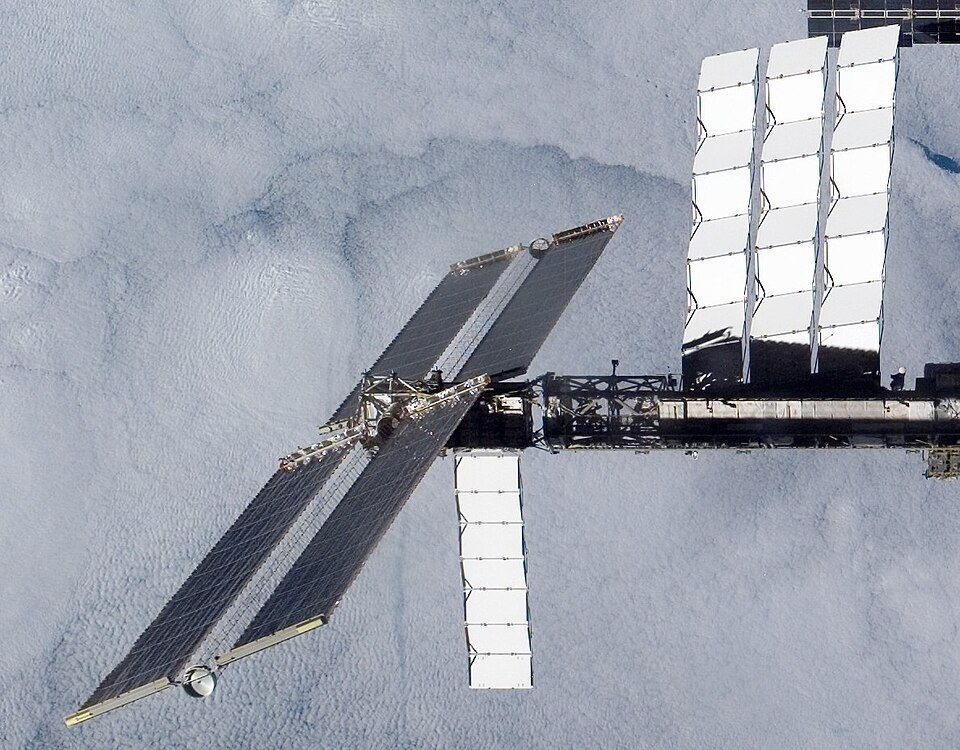
Do you picture the outdoor unit sucking in fresh air, chilling it, and piping it inside? It doesn't. Indoor air just recirculates within the room—what actually travels between the indoor and outdoor units through the suction and liquid lines is refrigerant, not air, carrying heat out. An air conditioner is a heat pump running the exact same vapor-compression refrigeration cycle as your refrigerator. We trace the thermodynamic principle—compress a gas and it heats up; expand it and it cools down—and uncover why spacecraft burn up during re-entry. Spoiler: it's the same compression heating, not air friction.

About Turns Out

Turns Out takes the things you vaguely 'know' about everyday life and digs into them with primary sources — regulations, standards, and research — to pin down the exact criteria, mechanism, and limits behind the assumption. Every post follows the signature [QUESTION] / [CHECK] / [FACT] format.

Read more about us →